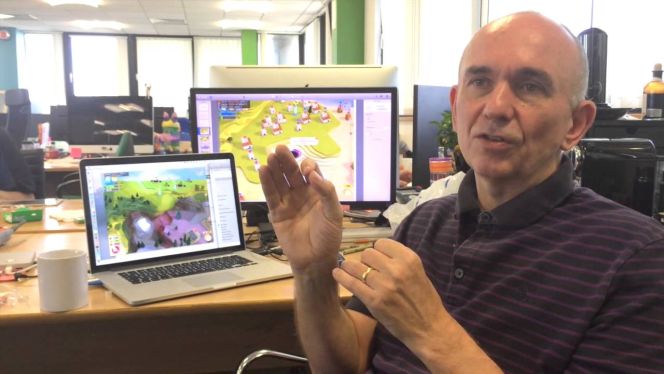
Peter Molyneux is a name that evokes reverence and resentment in equal measure. A pioneer of god games and narrative-driven RPGs, he once stood atop the gaming world with titles like Populous, Dungeon Keeper, and Fable. But behind the legend is a legacy fractured by broken promises — and real people who lost big money betting on his vision.
His post-Lionhead ventures, particularly Godus, promised revolutionary gameplay and a spiritual successor to Populous. Instead, they delivered delays, unmet stretch goals, and a product few recognized. The fallout wasn’t limited to disappointed fans. Investors, developers, and early backers poured money into Molyneux’s ambitions — only to watch returns evaporate.
This isn’t just about a game that failed to launch. It’s about the human cost of hyperbolic marketing, unchecked ambition, and the illusion of creative infallibility.
The Godus Gamble: How One Game Broke Trust
Godus, launched via Kickstarter in 2012, raised over $870,000 from more than 15,000 backers. Molyneux pitched it as a "living god game" where players could shape worlds, guide civilizations, and experience emergent storytelling. The trailer showed godlike power, dynamic terrain, and AI-driven followers with unique personalities.
Reality? The released version in 2014 was a stripped-down, pixelated sandbox with limited mechanics and zero resemblance to the promised features.
The stretch goals — multiplayer, conquest mode, procedural worlds — were either abandoned or implemented in skeletal form. Backers who pledged $100 or more expecting a deluxe experience got a buggy alpha with minimal updates.
For many, it wasn’t just disappointment. It was financial loss.
Who Lost Money on Godus?
- Individual Crowdfunders: Thousands paid $25–$150 for tiers promising digital copies, soundtracks, and even inclusion in the game. Many never received physical rewards. Others got access to an unfinished product with no roadmap.
- Early Investors: Some backers were tech entrepreneurs or angel investors hoping to capitalize on Molyneux’s brand. They treated the Kickstarter like a proto-VC play, expecting equity or revenue shares. No such returns materialized.
- Digital Distributors: Third-party platforms that promoted Godus on launch saw diminished credibility. One indie storefront reported a 22% drop in user trust scores after featuring the game as a “flagship indie title.”
The Lionhead Exodus: Talent That Paid the Price
Long before Godus, the collapse of Lionhead Studios — the studio Molyneux co-founded and led for decades — had already cost developers their livelihoods.
After Microsoft acquired Lionhead in 2006, the studio shifted focus to Fable, a franchise that ballooned in scope and budget. Molyneux’s habit of overpromising — famously claiming Fable II would feature “a world where every blade of grass reacts to your presence” — set unrealistic expectations.
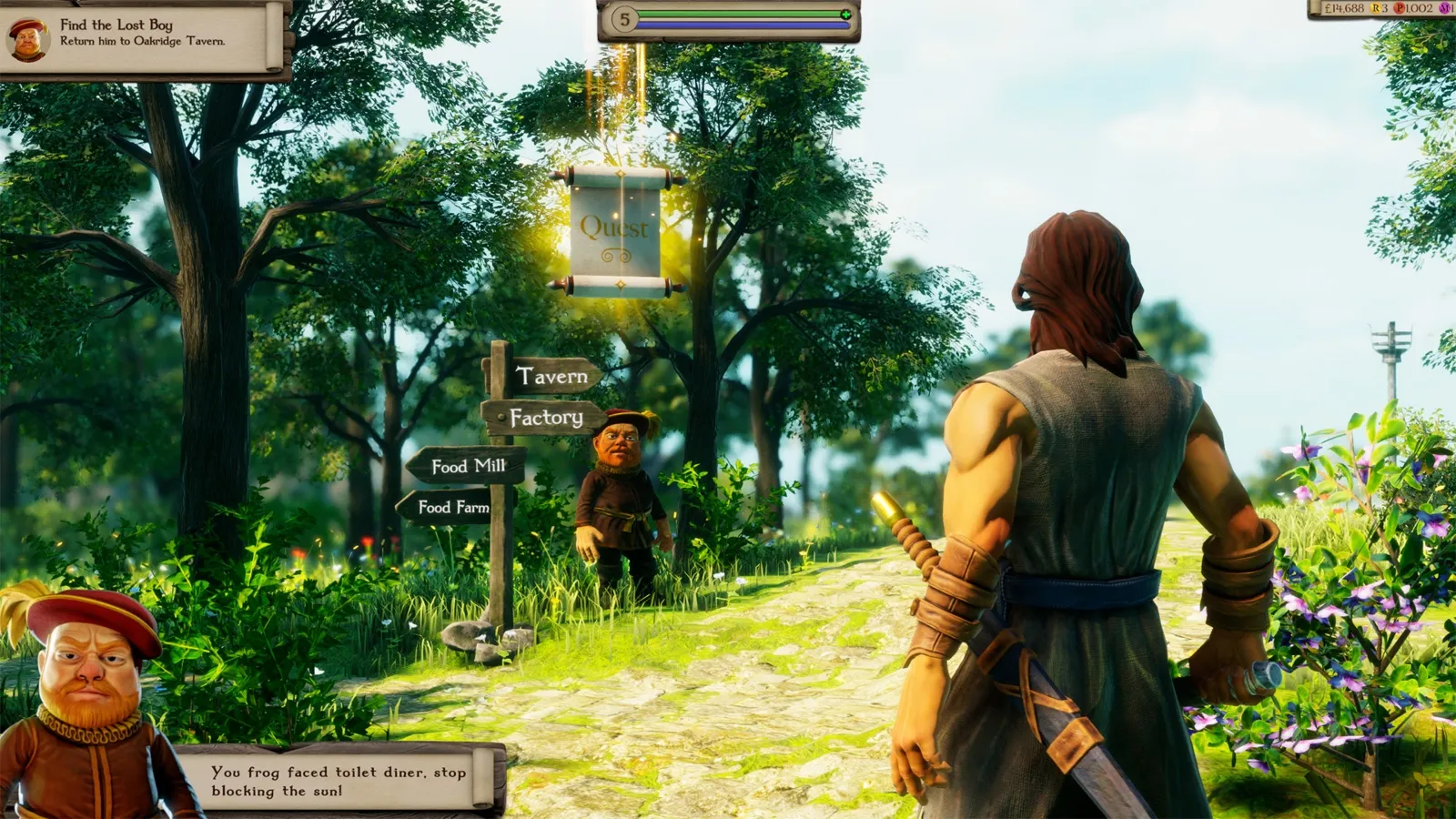
When Fable: The Journey (2012) underperformed, Microsoft shuttered Lionhead in 2016. Over 150 employees were laid off overnight.
Developers Left in the Lurch
- Mid-Level Designers: Many had turned down higher-paying jobs elsewhere to work under Molyneux’s “visionary” leadership. Post-closure, they struggled to re-enter a competitive market without recent shipped titles.
- Contract Artists and QA Teams: Freelancers who worked on Fable titles were often paid per milestone. With projects canceled mid-development, some went unpaid for months of work.
- Tech Leads: Senior engineers who built proprietary tools for Lionhead found their expertise too niche for other studios. One lead told GamesIndustry.biz he spent 14 months job hunting before landing a junior role.
The irony? These developers were instrumental in delivering polished games despite Molyneux’s unchecked ambition. Yet when the studio failed, they bore the brunt.
Investors Who Bet on 22cans: The Forgotten Backers
After leaving Lionhead, Molyneux founded 22cans, positioning it as a “next-gen game lab” focused on innovation. Godus was its flagship. But the studio’s funding model relied heavily on crowdfunding and private investment.
While Kickstarter provided initial capital, 22cans also secured private funding from tech investors drawn to Molyneux’s reputation. Estimates suggest an additional $1–2 million was injected between 2013 and 2015.
Where Did the Private Money Go?
There’s no public audit, but former employees hint at mismanagement:
- Overhead Costs: Office space in Guildford, UK, salaries for a growing team, and marketing campaigns drained funds.
- Tech R&D: The studio experimented with blockchain-based mechanics and AI-driven narrative engines — ambitious, but commercially unviable.
- Legal and IP Expenses: Licensing issues around Godus Wars (a mobile spin-off) led to disputes that tied up capital.
By 2017, 22cans laid off most of its staff. The remaining team shifted to Legacy, a mobile idle game with microtransactions — a far cry from the revolutionary vision pitched years earlier.
Investors who believed in Molyneux’s “next big thing” saw their stakes diluted to near zero. No dividends. No acquisition. No exit.
The Cult of Personality: Why Smart People Got Played
Molyneux isn’t just a game designer — he’s a storyteller. His presentations are performances: charismatic, emotionally charged, and laced with hyperbole. At GDC, E3, and TED talks, he didn’t just pitch games — he sold dreams.
This charm proved persuasive, even to seasoned professionals.
Case Study: The Venture Capitalist Who Fell for the Pitch
In a 2016 interview (given anonymously), a European VC admitted backing 22cans after a private demo. “He showed us a prototype where civilizations evolved based on player morality. It felt like magic. We put in $500K thinking it could redefine narrative AI.”
The feature never shipped. When pressed, Molyneux admitted it was “just a concept.”
The investor’s lesson? “Never fund a personality. Fund a product, a team, a process. Molyneux had none of that.”
The Psychology Behind the Hype
- Authority Bias: Molyneux’s track record with Populous and Black & White gave him credibility, even when promises escalated beyond technical feasibility.
- Scarcity Tactics: Limited-edition Kickstarter tiers created FOMO, pushing backers to pledge more than intended.
- Narrative Over Substance: He framed Godus as a “battle against mediocrity,” making supporters feel like revolutionaries — not customers.
The result? Rational decision-making gave way to emotional investment.
The Ripple Effect: How Molyneux’s Legacy Damaged Crowdfunding
Godus didn’t just fail as a game — it became a cautionary tale for the entire crowdfunding ecosystem.
Before Godus, Kickstarter was seen as a democratizing force. Indie devs could bypass publishers and connect directly with fans. After Godus, skepticism grew.
Post-Godus Backlash
- Increased Scrutiny: Platforms like Kickstarter and Fig began requiring prototypes, development timelines, and risk disclosures.
- Backer Fatigue: A 2015 survey found that 68% of frequent backers had reduced their pledges due to unmet expectations — with Godus cited as a top reason.
- Damage to Legitimate Projects: Honest devs with modest goals struggled to gain traction. One developer said, “We had to spend 40% of our pitch video saying, ‘We’re not Molyneux.’”
The irony? Molyneux helped pioneer player-driven design. But his failure eroded the very trust that crowdfunding depends on.
The Aftermath: Who’s Still Paying the Price?
Years later, the fallout continues.
- Unresolved Promises: As of 2023, some Godus stretch goals remain unfulfilled. Backers who requested refunds are still waiting.
- Reputational Damage: Former 22cans employees face stigma. Recruiters often ask, “Were you part of the Godus team?” — implying mismanagement by association.
- Lost Opportunities: The time spent on Godus could have been used to build viable products. One ex-lead called it “five years down a rabbit hole.”
Even Molyneux has acknowledged the failure. In a 2018 interview, he said, “I promised things I couldn’t deliver. I let people down. That’s on me.”
But apologies don’t refund lost salaries or rebuild careers.
The Lesson: When Vision Outpaces Reality
Molyneux’s story isn’t unique. It’s a pattern: visionary founder, overhyped product, emotional marketing, tragic execution.
For investors, developers, and fans, the takeaway is clear:
- Due Diligence Matters: A legendary name doesn’t guarantee results. Scrutinize roadmaps, team structure, and technical feasibility.
- Beware the Demo Trap: A slick prototype isn’t a shipped product. Ask for milestones, not promises.
- Crowdfunding Isn’t Passive Investing: Treat pledges like high-risk ventures — because they are.
Even brilliant minds fail. But the cost shouldn’t be borne solely by those who believed in them.
The players who lost money on Peter Molyneux’s failed legacy weren’t gamblers chasing quick returns. They were creators, supporters, and dreamers who trusted a vision — and paid for it.
Next time, they’ll — and you should — ask for proof, not poetry.
FAQ
Who funded Godus besides Kickstarter backers? Private investors and tech entrepreneurs backed 22cans, contributing an estimated $1–2 million beyond the $870K from Kickstarter.
Did any Lionhead employees get compensation after the shutdown? Microsoft provided severance packages, but many contractors and freelancers received nothing. Some developers sued over unpaid work.
Is Godus still being updated? No. The last major update was in 2017. The game remains available but is largely abandoned.
Has Peter Molyneux admitted fault? Yes. He’s publicly acknowledged overpromising, calling it a “mistake” and admitting he “let people down.”
Can backers get refunds for unfulfilled Godus rewards? Some have, but many report ignored requests. 22cans has not issued a formal refund policy.
What happened to 22cans? The studio downsized drastically and now focuses on mobile games like Legacy, with a small remaining team.
Did Godus make any money? It generated some revenue from ongoing sales and DLC, but not enough to sustain the studio or repay investors.
FAQ
What should you look for in Meet the Players Burned by Peter Molyneux’s Broken Promises? Focus on relevance, practical value, and how well the solution matches real user intent.
Is Meet the Players Burned by Peter Molyneux’s Broken Promises suitable for beginners? That depends on the workflow, but a clear step-by-step approach usually makes it easier to start.
How do you compare options around Meet the Players Burned by Peter Molyneux’s Broken Promises? Compare features, trust signals, limitations, pricing, and ease of implementation.
What mistakes should you avoid? Avoid generic choices, weak validation, and decisions based only on marketing claims.
What is the next best step? Shortlist the most relevant options, validate them quickly, and refine from real-world results.